
What Happens When Every Viewer Gets a Different Version of the Same Show?
Discover how AI-powered personalization is transforming streaming experiences. Learn how different viewers can receive unique versions of the same show through adaptive content, personalized narratives, and intelligent recommendations.

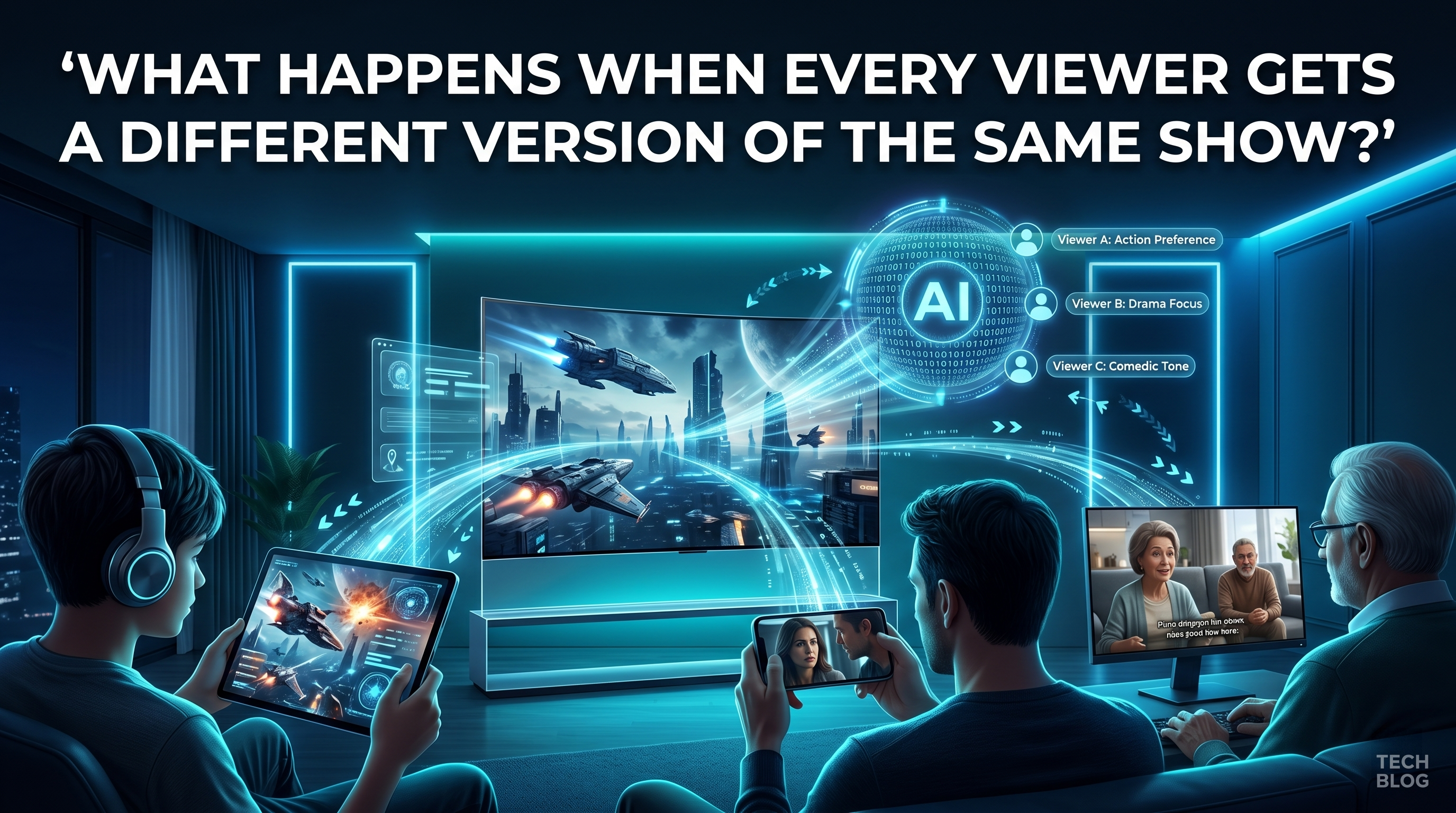
Table of contents
That assumption is quietly changing. Streaming platforms now possess the technology and behavioral data to deliver subtly or significantly different versions of the same content to different viewers. What begins with personalized thumbnails and tailored trailers is rapidly evolving toward dynamic content edits, alternative narrative paths, and AI-driven viewing experiences that reshape themselves around each individual user.
The StreamPlay platform sits within this broader transformation, where intelligent content delivery is becoming as important as the content itself. Understanding what personalized viewing really means, and where it is headed, matters for every audience member who has ever wondered why their streaming homepage looks nothing like their friend's.
Why This Matters
Viewers increasingly expect content experiences tailored to their individual preferences
AI technology now makes real-time content adaptation commercially viable at scale
Platform loyalty depends more on personalization quality than raw content volume
Creators face new questions about authorship when audiences see different versions
Cultural conversations shift when shared viewing experiences become fragmented
How Personalization Already Shapes What You Watch
The Invisible Edits Viewers Never Notice
This practice extends further into personalized trailers and promotional clips. For the House of Cards launch, Netflix created over ten different trailer versions, each targeted to a different behavioral segment, with subscribers who watched female-led content receiving a trailer focused on those characters. The content was identical, but the way it was packaged and introduced to each viewer was deliberately different based on what the platform already knew about them.
Key Points
Trailer versions are edited to highlight elements that match individual viewing history
Homepage layouts and row ordering differ meaningfully from one account to another
Personalization shapes first impressions before a viewer ever presses play
AI Adapting Content in Real Time
The next stage moves beyond packaging into the content experience itself. AI is beginning to modify content in real time, offering different versions of a movie or television show depending on user preferences, such as faster pacing for action lovers or extended dialogue for drama enthusiasts. This level of adaptation was technically impossible at scale just a few years ago, but advances in machine learning and streaming infrastructure are making it increasingly practical.
Platforms are analyzing not just what viewers watch, but how long they watch, when they pause, what they skip, and how often they return to specific genres or actors. This behavioral map allows AI systems to make increasingly precise adjustments to the content experience, shaping pacing, emphasis, and even narrative presentation based on individual patterns.
When Different Viewers See Different Stories
Beyond deliberate choice-based formats, AI-driven systems can create genuinely divergent viewing experiences from the same source material. Even the same title can be packaged differently depending on who is watching, using different artwork, descriptions, or trailers to match the platform's understanding of individual viewer intent. As these systems grow more sophisticated, the differences between viewer experiences will extend deeper into the content itself.
Key Points
AI can generate divergent experiences without requiring active viewer participation
Alternative edits and cuts can serve different emotional registers of the same story
Personalized narrative delivery creates replay value that fixed versions cannot match
The Ethical Questions Personalization Raises
Data privacy concerns also intensify when personalization requires deep behavioral profiling. The increasing amount of personal data being collected by streaming apps has created a growing need for government regulations to ensure ethical data collection practices that protect consumers against misuse. Viewers who benefit from personalized experiences are also the subjects of the data collection that makes those experiences possible, and that tension deserves honest acknowledgment.
Key Points
Creator authorship becomes harder to define when audiences see different versions
Deep behavioral profiling raises legitimate data privacy and consent concerns
Regulatory frameworks are still catching up with personalization technology capabilities
Key Benefits of Personalized Content Delivery
Viewers spend less time browsing and more time watching content they genuinely enjoy
Emotional engagement deepens when content presentation matches individual preferences
Platforms reduce subscriber churn by consistently delivering relevant viewing experiences
Creators gain detailed insight into which elements of their work resonate most strongly
Replay value increases as viewers explore different paths through the same content
Global accessibility improves when language and cultural personalization is applied
Common Mistakes Platforms Make With Personalization
Over-personalizing to the point of trapping viewers inside a narrow content bubble
Collecting behavioral data without clear transparency or meaningful consent processes
Prioritizing engagement metrics over genuine viewer satisfaction and wellbeing
Applying personalization to presentation without improving actual content quality
Ignoring the value of shared viewing experiences that build community and culture
Failing to give viewers meaningful control over their own personalization settings
Future Trends in Personalized Viewing Experiences
The StreamPlay blog tracks how these trends are reshaping viewer expectations and platform strategies in real time. As personalization technology matures, the most successful platforms will be those that use viewer data to serve genuine creative experiences rather than simply maximizing time spent on screen. The distinction between a platform that knows you and a platform that manipulates you will define the next phase of competition in streaming entertainment.
Conclusion
At StreamPlay, the commitment is to use personalization in service of better storytelling rather than as a substitute for it. Great content deserves to reach the right viewer in the right way. The future of streaming is personal, and the platforms that understand that distinction will build the most enduring relationships with their audiences.
Planning to launch or modernize an OTT platform?
StreamPlay helps media companies, sports leagues, and broadcasters launch branded OTT aggregator apps with CMS, monetization, discovery, and multi-device support.
Frequently Asked Questions
Do streaming platforms already deliver different versions of the same show to different viewers?
Yes, to a meaningful degree. Platforms currently personalize thumbnails, trailers, and homepage layouts for each viewer based on behavioral data. More advanced real-time content adaptation is emerging as AI technology continues to develop and scale across major streaming services.
How does AI create different viewing experiences from the same content?
AI analyzes detailed behavioral signals including pause points, skip patterns, rewatch behavior, and genre preferences to adjust how content is presented and paced. As these systems advance, they will increasingly modify actual content elements rather than just packaging and presentation layers.
Is personalized content delivery a concern for viewer privacy?
It raises legitimate concerns. Deep personalization requires extensive behavioral profiling, and the data used to create personalized experiences is the same data that creates privacy risks. Viewers benefit from understanding what is collected, how it is used, and what control they retain over their own data.
Does personalization change what the creator originally intended?
This is one of the most important questions the industry is beginning to address. When different viewers experience meaningfully different edits or narrative emphases, authorial intent becomes harder to define and protect. The creative and ethical boundaries of personalization are still being actively negotiated.
What does personalized streaming mean for shared cultural conversations?
It complicates them in meaningful ways. Cultural conversations about television and film have historically been grounded in shared viewing experiences. As those experiences diverge, communities will need new frameworks for discussing content that different viewers may have experienced in genuinely different ways.